Understanding the Fibromyalgia Flare-Up Challenge
Fibromyalgia flare up relief starts with understanding what you’re actually dealing with. When your symptoms suddenly spike beyond your normal baseline, it’s not just “bad pain” – it’s a complex system-wide response that affects your entire body and mind.
Quick Relief Strategies:
- Rest intentionally – Clear your schedule and prioritize sleep
- Apply gentle heat – Warm baths, heating pads, or infrared therapy
- Manage stress – Deep breathing, meditation, or calming music
- Practice self-compassion – Acknowledge your feelings without judgment
- Stay hydrated – Drink plenty of water and eat clean foods
- Move gently – Light stretching or short walks when possible
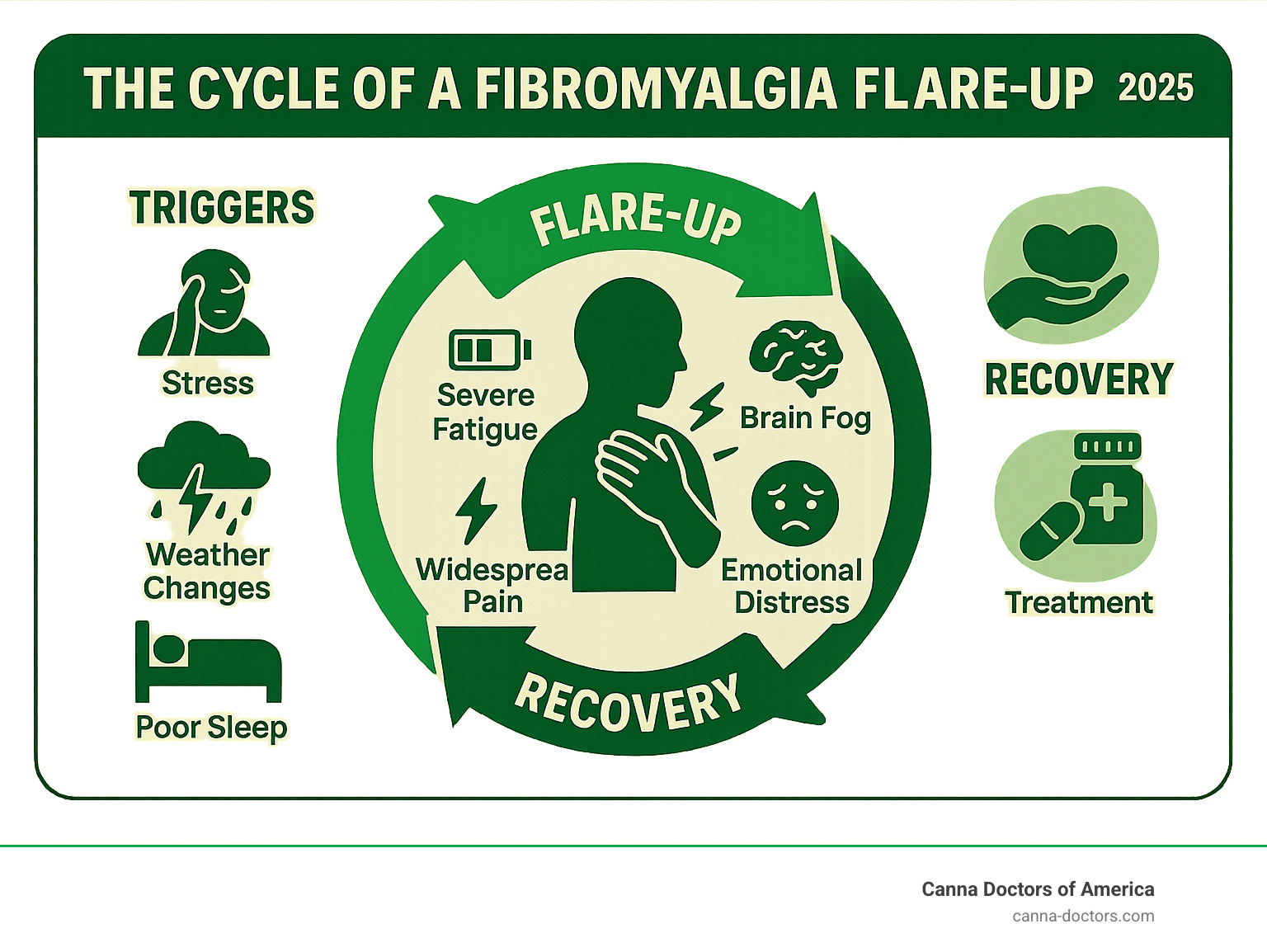
A fibromyalgia flare differs from your regular symptoms in both intensity and scope. While you might normally deal with widespread pain and fatigue, a flare-up can bring crushing exhaustion, severe brain fog, and emotional overwhelm that makes even simple tasks feel impossible.
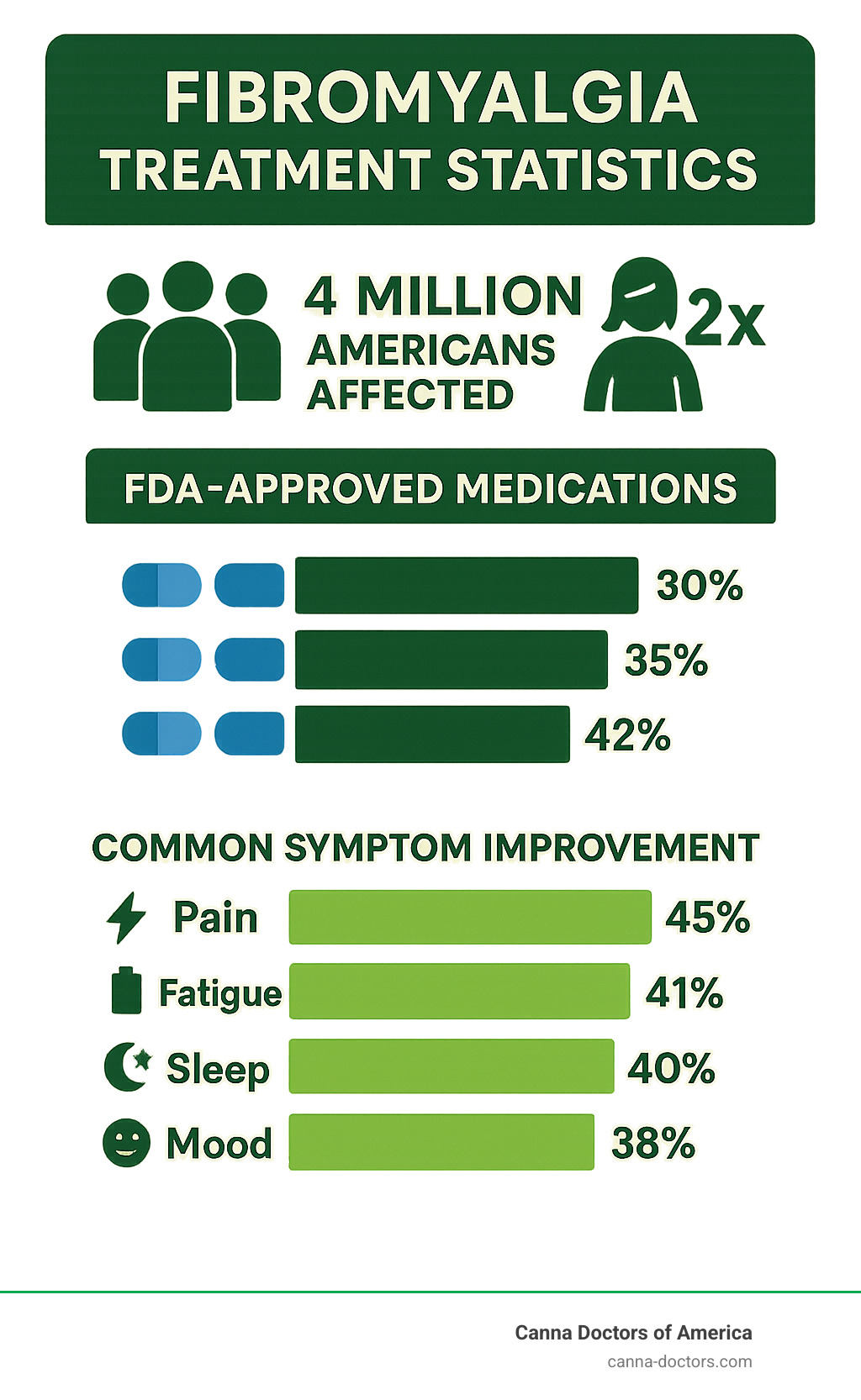
Research shows that around 4 million people in the U.S. live with fibromyalgia, with people assigned female at birth being twice as likely to experience this condition. The unpredictable nature of flare-ups – lasting anywhere from days to weeks – creates additional stress and frustration.
As one patient shared in a Mayo Clinic forum: “I’m now in the middle of a flare and in extreme pain all day.” This captures the desperate search for relief that many face when traditional treatments fall short.
I’m Geoff Massey, Regional Director of Canna Doctors of America, where I help people explore medical marijuana as part of their fibromyalgia flare up relief strategy. Through years of working with chronic pain patients, I’ve seen how a comprehensive approach combining lifestyle changes, stress management, and alternative therapies can make a real difference in managing these challenging episodes.
Basic fibromyalgia flare up relief vocab:
Immediate Strategies for Fibromyalgia Flare Up Relief
When a flare strikes, your first job is to slow down. Think of it like treating a sprained ankle—you would rest the joint, not sprint on it. The same rule applies here: cancel what you can, ask for help, and focus on recovery rather than “pushing through.”
Prioritize Intentional Rest and Sleep
Give yourself permission to rest—no guilt required. Clear your schedule as much as possible, adopt a “good-enough” mindset for tasks that can’t be skipped, and aim for extra sleep. Keep your bedroom cool, dark, and quiet and stick to consistent bed- and wake-times. Short (≤30-minute) naps are fine if you need them. If other sleep aids haven’t worked, medical marijuana for sleep can be an option many patients find helpful.
Soothe Pain with Gentle Heat Therapy
Heat crowds out pain signals, relaxes muscles, and improves blood flow. Warm baths with Epsom salts, heating pads, or a hot shower before bed can loosen stiff muscles quickly.

Manage Stress and Practice Self-Compassion
Stress can start—or amplify—a flare. Break the cycle with 4-7-8 breathing, five minutes of mindfulness meditation, calming music, or simply dimming the lights. Research on mindfulness for fibromyalgia shows measurable drops in pain and anxiety.
Treat your emotions like symptoms that need care, not judgment. Ask yourself, “What would I say to a friend in this situation?” Then offer yourself that same kindness. If anxiety is part of your flare picture, medical cannabis for anxiety can provide another route to calm.
Mental and Emotional Coping Strategies
A quick symptom journal helps you spot patterns and regain a sense of control. Talking with a trusted friend or an online support group reduces isolation, and positive self-talk (“I’ve survived every flare so far”) keeps worry from spiraling. Many patients notice that pairing these practices with the wellness benefits of medical cannabis offers whole-body relief without heavy sedation.
Building Your Long-Term Flare-Up Prevention Toolkit
You can’t erase flares entirely, but you can make them less frequent and less intense by stacking small, consistent habits.

Identify and Manage Your Personal Triggers
Keep a brief daily log of pain (1–10), sleep, activities, weather, meals, and mood. Patterns usually appear within a few weeks: common culprits include emotional stress, weather swings, poor sleep, and overexertion. Once you know your triggers, you can head off trouble early. See the qualitative analysis of flare triggers for examples.
The Role of Diet and Nutrition in Fibromyalgia
An anti-inflammatory, Mediterranean-leaning plate—vegetables, fruits, whole grains, lean proteins, healthy fats—often calms symptoms. Watch for personal offenders such as gluten, excess sugar, MSG, or high-histamine foods. Stay hydrated; even mild dehydration can worsen pain. For a deep dive, review nutritional interventions for fibromyalgia syndrome.
Master Sleep Hygiene for Better Recovery
Poor sleep both triggers and prolongs flares. Aim for a strict sleep schedule, a dark, cool bedroom (65–68 °F), no screens an hour before bed, and limited late-day caffeine. A consistent bedtime routine—stretch, warm shower, short meditation—tells your nervous system it’s safe to power down.
Incorporate Regular, Gentle Movement
“Start low, go slow.” Even 5–10 minutes of walking, pool exercises, stretching, or Tai Chi–inspired movement keeps joints loose and mood brighter. Gradually increase by a couple of minutes each week. Consistency beats intensity every time, and research on physical therapy techniques for fibromyalgia backs that up.
Exploring Alternative and Complementary Therapies
A mix of therapies often works better than any single fix. Think of these options as extra tools, not replacements for your current plan.
Before settling on any one approach, compare what different providers offer. In addition to Canna Doctors of America, clinics such as DocMJ, Trulieve4 MMTC Clinics, and national networks like MarijuanaDoctors.com also certify patients for medical cannabis and provide follow-up care. Some people prefer an integrative pain center (e.g., Cleveland Clinics Center for Integrative and Lifestyle Medicine) where medical cannabis is just one of many evidence-based options that can include acupuncture, biofeedback, or low-dose naltrexone protocols. Comparing fees, renewal schedules, wait times, and the availability of on-staff specialists (nutritionists, physical therapists, mental-health counselors) helps you choose the provider that best supports your long-term flare management goals.
When to Seek Medical Attention for a Flare-Up
Most of the time, you can manage your fibromyalgia flares at home with the strategies we’ve discussed. But sometimes, your body is trying to tell you something more serious is happening. Knowing when to pick up the phone and call your doctor can make the difference between a manageable flare and a medical emergency.
New or drastically worsening symptoms should always raise a red flag. If you’re experiencing pain that feels completely different from your usual fibromyalgia discomfort, or if familiar symptoms have suddenly become much more intense, it’s time to seek medical attention. Your body knows what “normal” feels like for you – trust that instinct when something feels off.
Unmanageable pain is another clear signal that you need professional help. If your usual fibromyalgia flare up relief strategies aren’t making even a small dent in your pain levels, don’t suffer in silence. This could indicate that your current treatment plan needs adjustment, or that something else is going on that needs medical evaluation.
The emotional and mental health impact of severe flares can be overwhelming. If you’re experiencing thoughts of self-harm or suicide, please reach out for help immediately. Call 988 for the Suicide & Crisis Lifeline, or go to your nearest emergency room. Depression and anxiety often accompany fibromyalgia flares, and there’s no shame in needing professional support during these difficult times.
Concerning medication side effects also warrant immediate medical attention. If you’re experiencing unusual reactions to your medications, or if side effects are becoming worse than the symptoms you’re trying to treat, your healthcare provider needs to know right away.
Don’t wait weeks to schedule an appointment if your flare is lasting longer than usual or if flares are becoming more frequent. These changes in your pattern could indicate that your current treatment approach needs fine-tuning. Your doctor might suggest adjusting medications, adding new therapies, or referring you to specialists who can provide additional support.
Fibromyalgia is a real medical condition that deserves proper attention and care. You’re not being dramatic or weak when you seek help – you’re being smart about managing your health. A good healthcare provider will take your concerns seriously and work with you to find better ways to prevent and manage future flares.
At Canna Doctors of America, we often see patients who’ve been struggling with inadequate flare management. Sometimes, exploring medical cannabis as part of your comprehensive treatment plan can provide the additional relief that makes flares more manageable and less frequent.
Frequently Asked Questions about Fibromyalgia Flare-Ups
When you’re dealing with fibromyalgia, questions about flare-ups seem endless. You’re not alone in wondering about duration, prevention, and treatment options. Let me address the most common concerns I hear from patients at our Canna Doctors of America clinics.
How long do fibromyalgia flare-ups last?
The honest answer? It varies – and that’s probably not what you wanted to hear. Fibromyalgia flare up relief timelines differ dramatically from person to person, and even your own flares won’t follow a predictable pattern.
Most flares last anywhere from a few days to several weeks, with the typical duration being about 1-2 weeks. I’ve seen patients bounce back in 3-4 days, while others struggle for a month or more.
Several factors influence how long your flare will last. The severity of your triggers plays a huge role – a minor stressor might cause a brief flare, while major life changes can trigger longer episodes. How quickly you implement your relief strategies also matters significantly.
Your overall health status, current stress levels, and whether you’re dealing with other health conditions all impact recovery time. The good news is that with proper management techniques, many people find their flares become both shorter and less intense over time.
Think of it this way: you’re building your flare-fighting skills. The more tools you have in your toolkit, the faster you can get back to your baseline.
Can you prevent fibromyalgia flare-ups completely?
I wish I could tell you there’s a magic formula to prevent all flares, but that wouldn’t be honest. You can’t prevent fibromyalgia flare-ups completely – they’re unfortunately part of living with this condition.
However, you absolutely can reduce their frequency and intensity through proactive management. This isn’t about perfection; it’s about progress and damage control.
Prevention is really about management. Maintaining a consistent sleep schedule, engaging in regular gentle exercise, and practicing stress management techniques all help reduce flare frequency. Identifying and avoiding your personal triggers makes a huge difference, as does maintaining good nutrition and building a strong support system.
The goal shifts from “never having a flare” to “having fewer flares that are less severe and shorter in duration.” Many of our patients report that after implementing comprehensive management strategies, their flares become much more manageable.
Think of it like weather forecasting – you can’t control the storm, but you can prepare for it and minimize the damage.
What medications are used for fibromyalgia?
Medication options for fibromyalgia have expanded significantly in recent years, though finding the right combination often requires patience and close work with your healthcare provider.
Three medications are specifically FDA-approved for fibromyalgia pain: pregabalin (Lyrica), an anti-seizure medication; duloxetine (Cymbalta), an antidepressant; and milnacipran (Savella), also an antidepressant. These medications work on different pathways in your nervous system to reduce pain signals.
Other commonly prescribed medications include gabapentin (Neurontin), another anti-seizure drug; amitriptyline, a tricyclic antidepressant; cyclobenzaprine (Flexeril), a muscle relaxant; and low-dose naltrexone, which helps modulate your immune system.
It’s important to know that opioid medications are not recommended for fibromyalgia – they often make symptoms worse over time and can lead to dependence issues.
Starting with the lowest effective dose is always the best approach. Work closely with your healthcare provider to find the right combination for your specific symptoms, and be aware of potential side effects and withdrawal concerns.
Many patients find that combining traditional medications with alternative approaches like medical cannabis provides better overall fibromyalgia flare up relief. Individual responses vary greatly, so what works for your friend might not work for you – and that’s completely normal.
Conclusion: Taking Control of Your Fibromyalgia Journey
You’ve made it through another challenging chapter of your fibromyalgia story, and that takes real strength. Managing flares isn’t about becoming some kind of chronic pain superhero – it’s about building a toolkit that works for your unique situation and using it with patience and self-compassion.
Fibromyalgia flare up relief isn’t a one-size-fits-all solution. What calms your nervous system during a flare might be completely different from what helps your friend or family member. The heat therapy that melts away your muscle tension might not work for someone else, and that’s perfectly okay.
The strategies we’ve covered – from intentional rest and gentle heat therapy to stress management and exploring medical cannabis – are all pieces of your personal puzzle. Some will become daily habits, others will be emergency tools you pull out when things get tough. The key is experimenting with an open mind and giving yourself permission to adjust as you learn what truly helps.
Flares are temporary, even when they feel endless. Your body has an amazing capacity for healing and adaptation, and every flare teaches you something new about managing your condition. Each time you successfully steer a difficult period, you’re building resilience and confidence for the next challenge.
At Canna Doctors of America, we see the real impact that comprehensive fibromyalgia flare up relief strategies can have on people’s lives. Our patients in Tampa, St. Petersburg, and Clearwater often tell us that the combination of medical cannabis with lifestyle changes and stress management creates a foundation for better days ahead.
Taking a proactive approach to your fibromyalgia management isn’t just about preventing flares – it’s about reclaiming hope and feeling empowered in your own health journey. You’re not just surviving this condition; you’re learning to thrive alongside it.
If you believe your fibromyalgia symptoms might qualify you for medical cannabis treatment, we encourage you to have that conversation with qualified healthcare professionals. We offer same-day approval for medical marijuana cards and provide the kind of personalized care that recognizes your individual needs and circumstances.
Your fibromyalgia journey is uniquely yours, but you don’t have to steer it alone. With the right support, treatment options, and self-care strategies, you can take meaningful control over your flares and build a life that feels full and satisfying, even with chronic pain as part of your story.
Ready to explore all your options? Check your eligibility for a medical card today and take that important next step toward comprehensive, personalized fibromyalgia care.